Top Strategies For Efficient Interior Selective Demolition In Los Angeles CA
Interior Selective Demolition In Los Angeles CA
Interior selective demolition in Los Angeles, CA, provides a methodical technique to remodelling. This method focuses on the mindful removal of particular aspects within a framework, permitting innovation while preserving the structure's overall stability. By targeting non-load-bearing functions, the procedure reduces waste and improves safety and security. Nonetheless, the effectiveness of this technique depends substantially on the service provider selected for the job. Comprehending the nuances of this procedure is crucial for successful end results.
What Is Interior Selective Demolition?
Interior selective demolition refers to the targeted removal of details architectural components within a building, such as fixtures, ceilings, and walls, while maintaining the honesty of the staying framework. This procedure permits remodellings, upgrades, or repurposing of areas without the requirement for total demolition. Generally employed in domestic and commercial settings, selective demolition decreases waste and disturbance, concentrating on areas that require modification.
Contractors utilize various methods and devices to guarantee that only marked aspects are eliminated, frequently calling for knowledgeable labor to navigate intricate architectural considerations. Security procedures are critical, as potential hazards such as asbestos or architectural instability may be existing. This approach is especially useful in urban environments like Los Angeles, where area is restricted, and keeping existing architecture can be important. By very carefully carrying out selective demolition, building owners can accomplish wanted modifications while maintaining the total framework and character of their structures.
Benefits of Interior Selective Demolition
Selective demolition supplies countless benefits for property owners and programmers. This method allows for the targeted elimination of certain indoor aspects while maintaining the total structural integrity of a structure. By concentrating on just the needed locations, home proprietors can minimize waste and lower the ecological impact connected with standard demolition methods.
Furthermore, selective demolition often brings about cost savings, as it eliminates the need for comprehensive restoration or full-scale demolition. It likewise accelerates the remodelling procedure, enabling quicker project turnaround times, which is crucial in an affordable actual estate market.
Moreover, selective demolition helps with the recycling and repurposing of materials, contributing to sustainability efforts. This approach can also improve safety by minimizing the threat of harmful product direct exposure. Ultimately, the advantages of selective demolition align with modern-day construction techniques, making it a preferred choice for lots of in Los Angeles' advancing residential or commercial property landscape.
Usual Applications in Residential Spaces
In property spaces, selective demolition generally finds its application in cooking area and restroom remodels, where outdated components and cabinets require removal without endangering surrounding structures. House owners frequently look for to update these locations while preserving the integrity of the existing format. This process allows for the critical elimination of home appliances, countertops, and walls, promoting a fresh design while protecting beneficial plumbing and electric job.
An additional preferred application is in the removal of non-load-bearing wall surfaces to develop open-concept living locations. This boosts the circulation of space and improves all-natural light circulation throughout the home. Furthermore, selective demolition can be important in the revitalization of cellars and attics, where old insulation and flooring might be eliminated to give way for brand-new living rooms. In general, selective demolition supplies house owners with the possibility to change their homes effectively while minimizing waste and disturbance.
Applications in Industrial Renovations
While services often intend to create inviting environments for consumers and employees alike, selective demolition plays an important role in business improvements. This process permits the targeted elimination of certain indoor aspects, such as fixtures, ceilings, and wall surfaces, without endangering the whole framework.
In retail areas, selective demolition can facilitate the reconfiguration of layouts to improve customer circulation and take full advantage of product visibility. Offices typically utilize this strategy to develop open flooring strategies, fostering partnership and modern-day visual appeals. Additionally, restaurants may participate in selective demolition to update their ambiance or expand eating locations, aligning with present patterns.
Selective demolition not just reduces waste however likewise lowers improvement timelines, allowing companies to reopen rapidly and efficiently. By concentrating on vital alterations, business can accomplish substantial transformations while maintaining functional connection - demolition contractor map listing los angeles. Generally, selective demolition is a critical need helpful resources in the evolving landscape of commercial restorations
The Selective Demolition Process
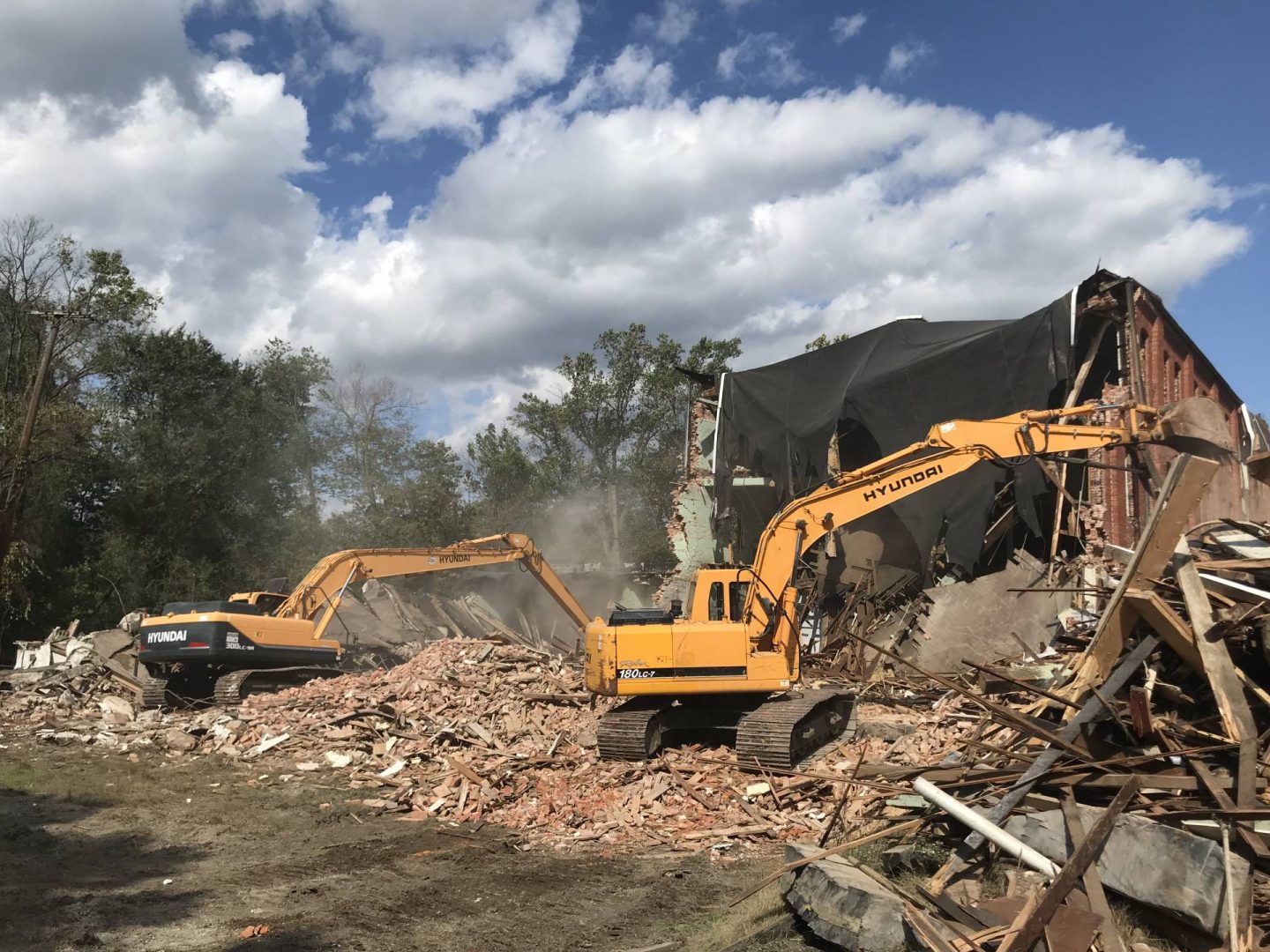
The selective demolition process involves a careful and systematic strategy to eliminating details indoor elements of a framework. This technique is typically employed to protect the honesty of bordering areas while targeting just those aspects that require elimination or substitute. Originally, a thorough assessment is conducted to recognize products and structures that are to be retained or disposed of.
Next, the group implements a thorough strategy, laying out safety and security steps and procedures to alleviate dangers associated with dirt, debris, and potential hazards. Specialized devices and devices are usually used to guarantee precision in taking apart walls, ceilings, or fixtures without influencing the overall building framework.
Throughout the process, debris is taken care of responsibly, with appropriate disposal approaches stuck to according to local guidelines. This meticulous approach not just minimizes disturbance however likewise advertises ecological sustainability by enabling the recycling of salvageable products.
Choosing the Right Contractor for Your Job
Selecting a certified service provider for interior selective demolition is important for task success. Secret factors to think about consist of validating the contractor's experience and expertise, seeing to it they have the needed licensing and insurance policy, and asking for in-depth quotes to comprehend the range and prices entailed. These steps can aid ensure a effective and smooth demolition process.
Confirm Experience and Experience
Choosing a professional with tried and tested experience and know-how is important for making sure an effective interior selective demolition project in Los Angeles. A specialist's performance history in comparable jobs can supply valuable understandings right into their capabilities. Conducting thorough research study is necessary; potential clients need to assess profiles, seek endorsements, and assess past project outcomes. Additionally, participating in meetings can disclose a contractor's technique to analytic and task management. It is additionally helpful to ask about their experience with local policies find more info and best practices, as this understanding can greatly influence task performance and security. Ultimately, choosing a professional with the best blend of experience and know-how not only enhances the quality of the job however additionally fosters a smoother demolition process.
Examine Licensing and Insurance Policy
Validating that a contractor possesses the necessary licensing and insurance is essential for any type of indoor selective demolition project in Los Angeles. Licensed service providers show adherence to local guidelines and criteria, which is very important for preserving safety and security and top quality throughout the demolition procedure. In addition, proper insurance coverage safeguards both the professional and the home proprietor from possible liabilities, such as accidents or problems that might occur throughout the project. Clients need to verify the specialist's certificate through the California State License Board and demand evidence of insurance coverage to ensure sufficient protection levels. By verifying these credentials, property owners can mitigate dangers and pick a contractor that is qualified and financially responsible, thereby fostering a smoother and extra safe demolition experience.
Demand In-depth Estimates
After verifying licensing and insurance, the next step entails obtaining detailed quotes from prospective specialists. This process is vital for recognizing the scope of work, associated costs, and timelines. House owners need to ask for quotes that damage down labor, materials, and any type of added charges to assure transparency. It is suggested to compare a minimum of 3 price quotes to gauge the market price and determine any inconsistencies. Clear communication is important; service providers should clarify any kind of uncertainties concerning task specifics. Additionally, looking for recommendations or evaluating previous job might offer insight into the specialist's dependability and top quality. By meticulously evaluating these quotes, residential property proprietors can make informed choices, inevitably selecting the professional finest matched for their indoor selective demolition task in Los Angeles.
Regularly Asked Inquiries
Exactly how Long Does an Indoor Selective Demolition Project Generally Take?
Usually, an interior selective demolition job can take anywhere from a few days to a number of weeks, depending upon aspects such as check this site out the task's dimension, complexity, and the particular materials being gotten rid of or modified.
Is Interior Selective Demolition Environmentally Friendly?
Interior selective demolition can be ecologically pleasant, as it advertises reusing and reusing materials, minimizes land fill waste, and minimizes general ecological influence. Proper techniques enhance sustainability while protecting beneficial resources during the demolition procedure.
What Allows Are Needed for Selective Demolition in Los Angeles?
In Los Angeles, selective demolition needs various licenses, consisting of a demolition permit, environmental review paperwork, and possibly asbestos or lead clearance licenses, depending on the products involved. Compliance with regional guidelines is essential for job approval.
What Safety Procedures Are Taken Throughout the Demolition Process?
During the demolition procedure, safety steps consist of guaranteeing architectural stability, utilizing individual protective equipment, applying dirt control techniques, carrying out risk assessments, giving employee training, and sticking to governing guidelines to ensure and minimize threats safety and security.
Can I Reside In My Home Throughout Interior Selective Demolition?
Living in a home during interior selective demolition is typically feasible, but it depends on the extent of the job. Dirt, safety and security, and sound worries may require short-lived relocation for convenience and security.
Additionally, selective demolition frequently leads to set you back financial savings, as it eliminates the requirement for substantial remodelling or full-scale demolition. Picking a qualified contractor for indoor selective demolition is essential for task success (demolition contractor near los angeles). Picking a contractor with tried and tested experience and know-how is critical for making sure an effective interior selective demolition project in Los Angeles. Validating that a professional has the necessary licensing and insurance policy is vital for any type of indoor selective demolition project in Los Angeles. In Los Angeles, selective demolition requires numerous permits, including a demolition license, ecological review paperwork, and possibly asbestos or lead clearance licenses, depending on the products involved